Comparison of Flexion–Extension Responses between Male and Female sub-Axial Cervical Spine Segments
Pranav Duraisamy, Davidson Jebaseelan, Jobin D. John
Introduction
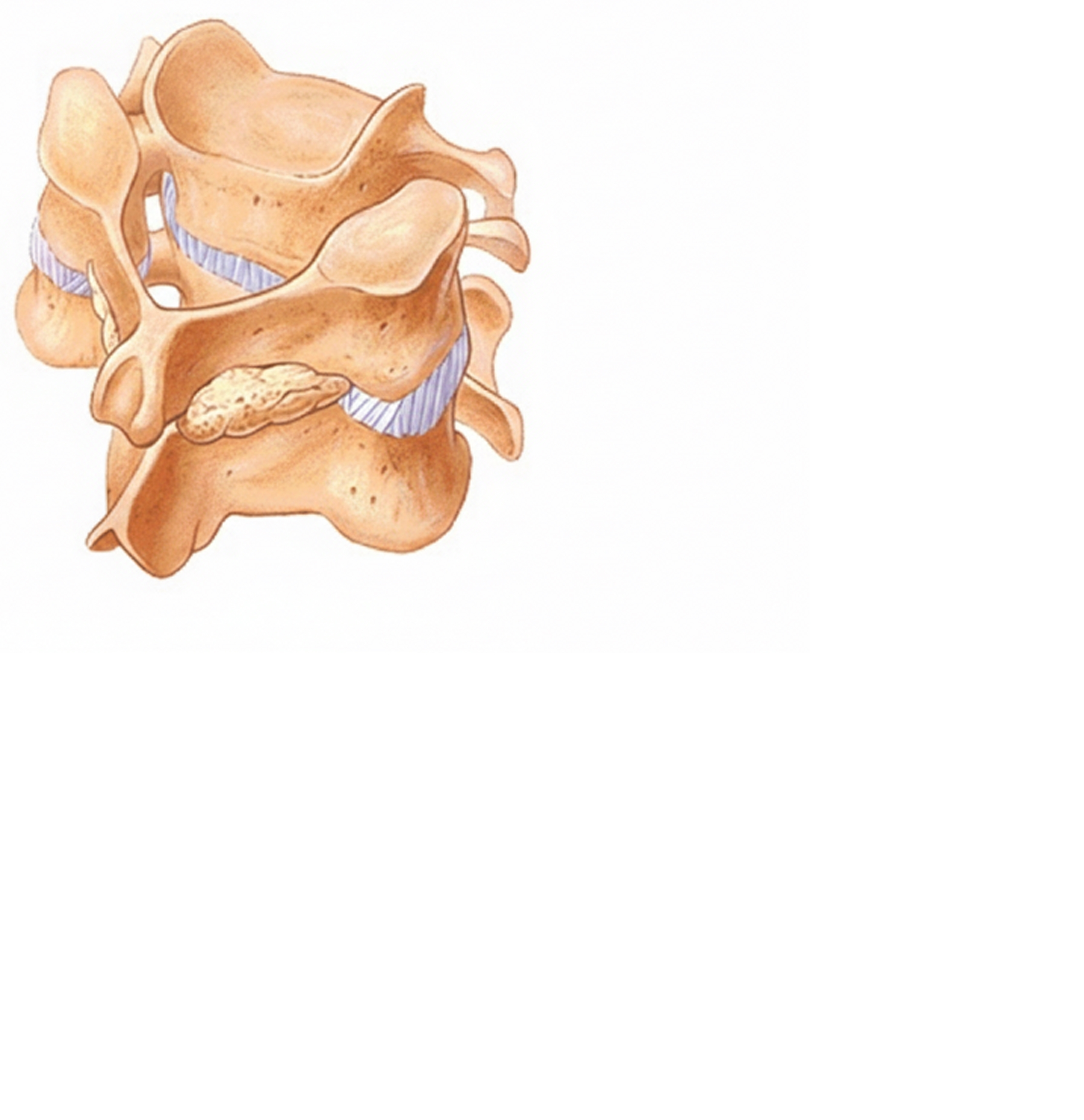
- Cervical spine segment - Two vertebra, Soft tissues
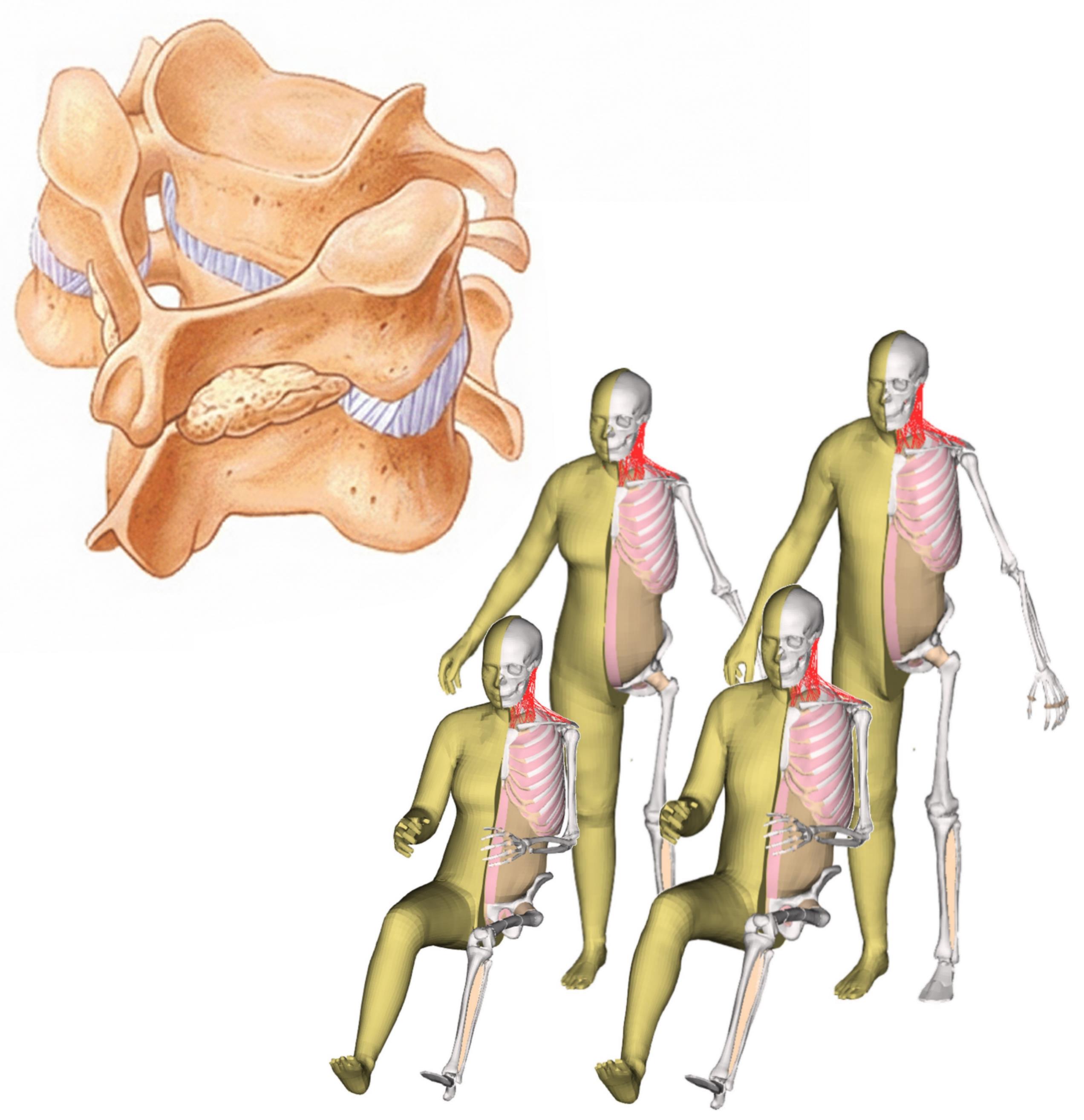
- Female have more risk of neck injury than male in traffic accidents
- Recent dummies and HBMs also focus on average female
- Sex-specific calibration and validation are either limited or non-existent
A Bit of Background…
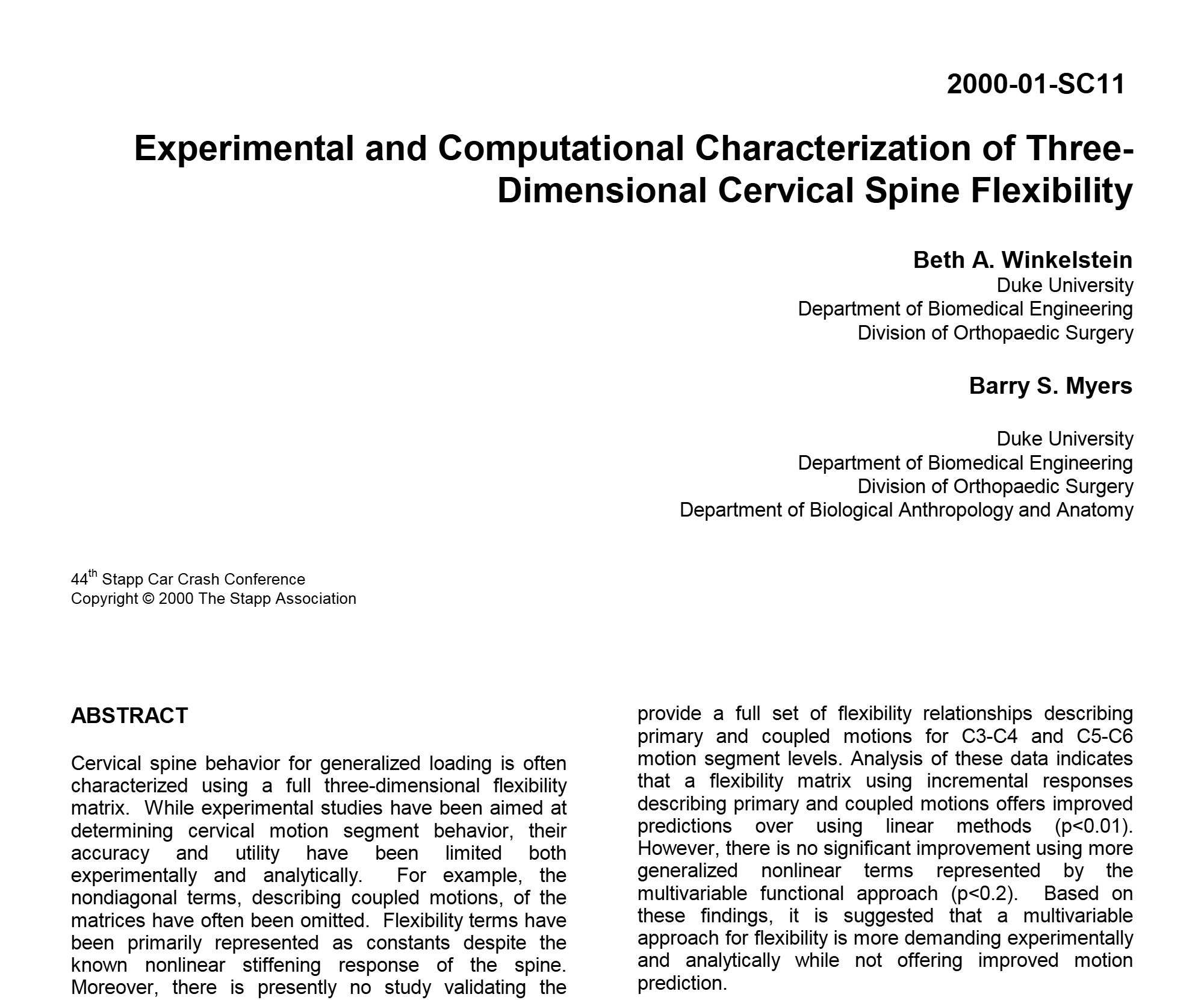
A Bit of Background…

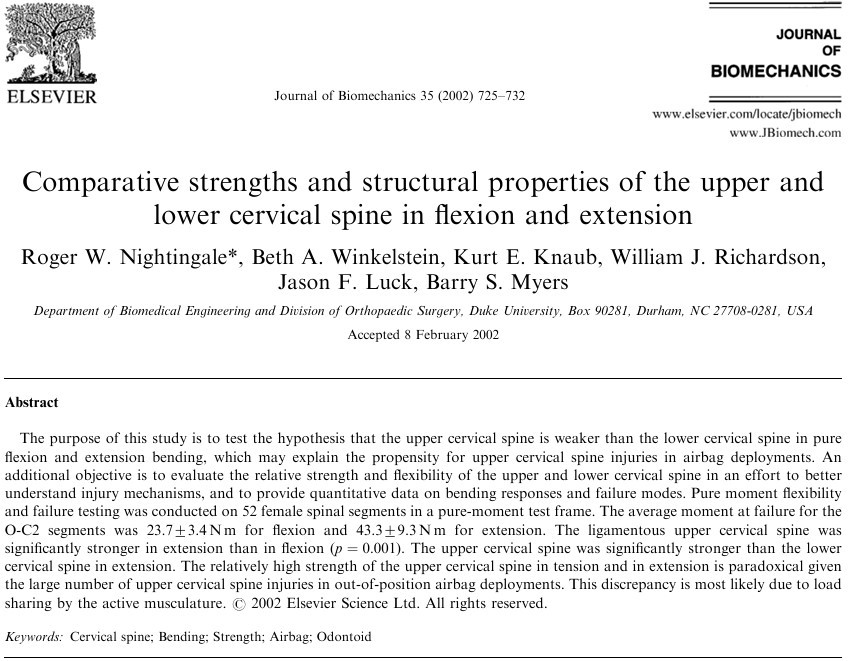
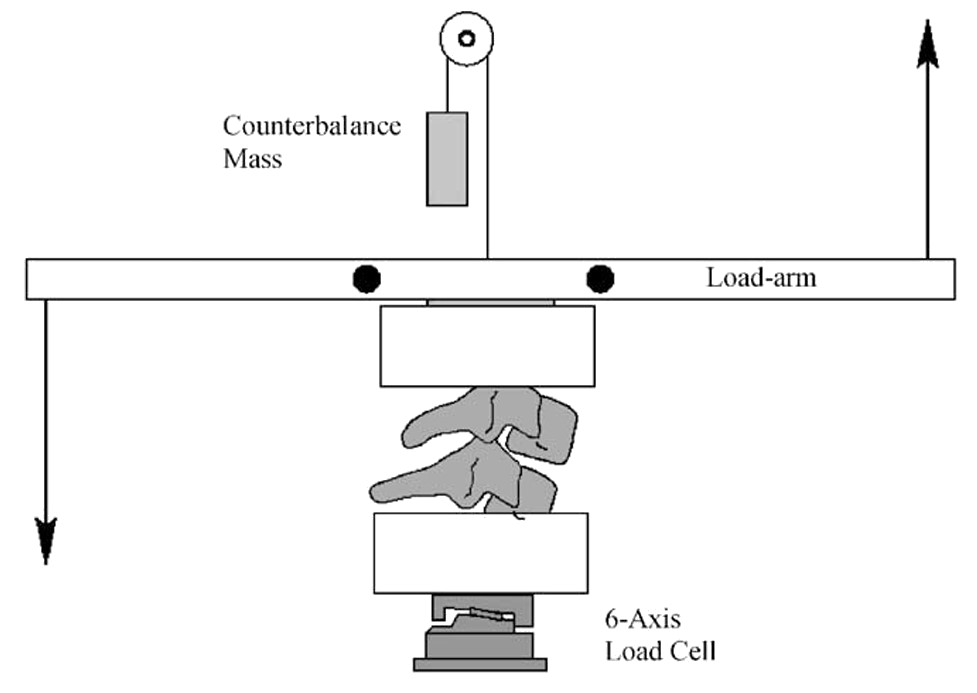
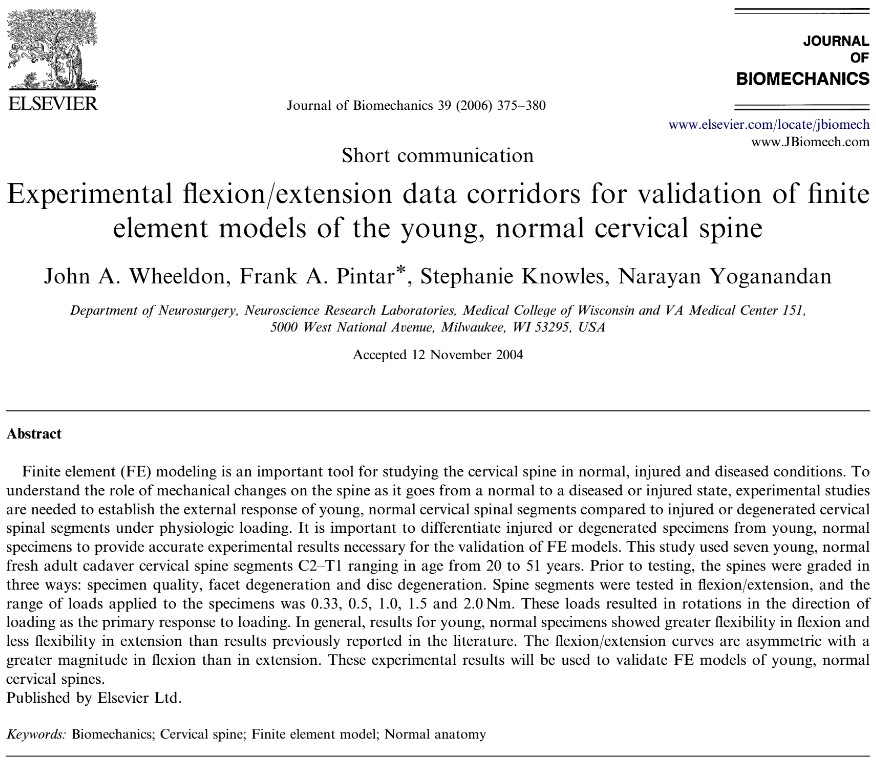
Experimental setup used by Nightingale et al.
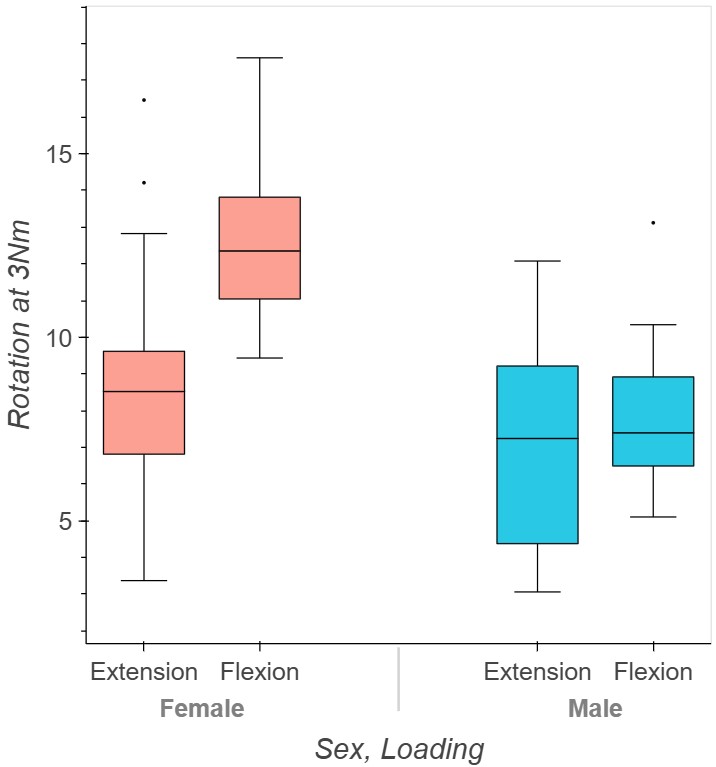
Exploratory Data Analysis
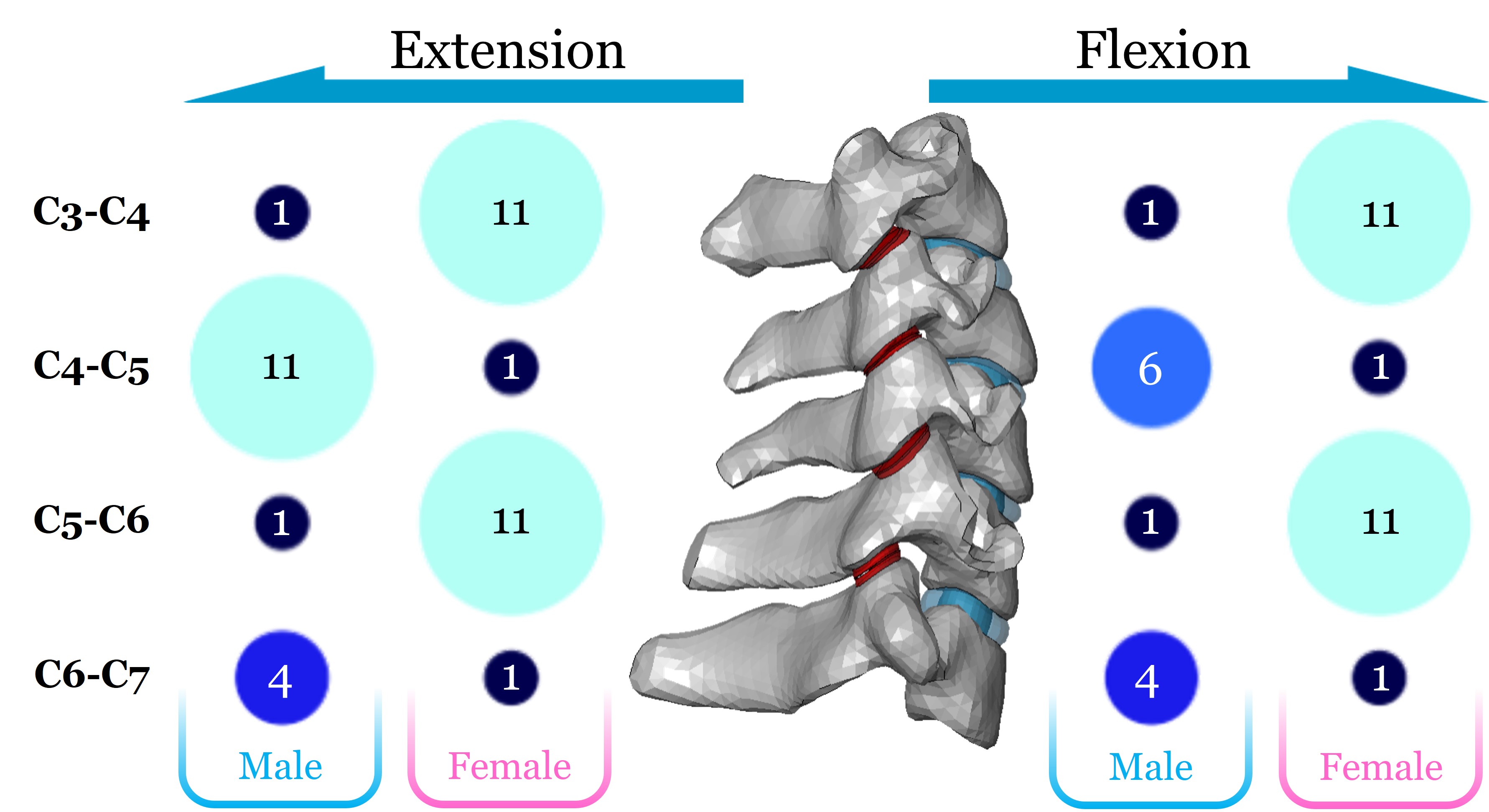
Exploratory Data Analysis
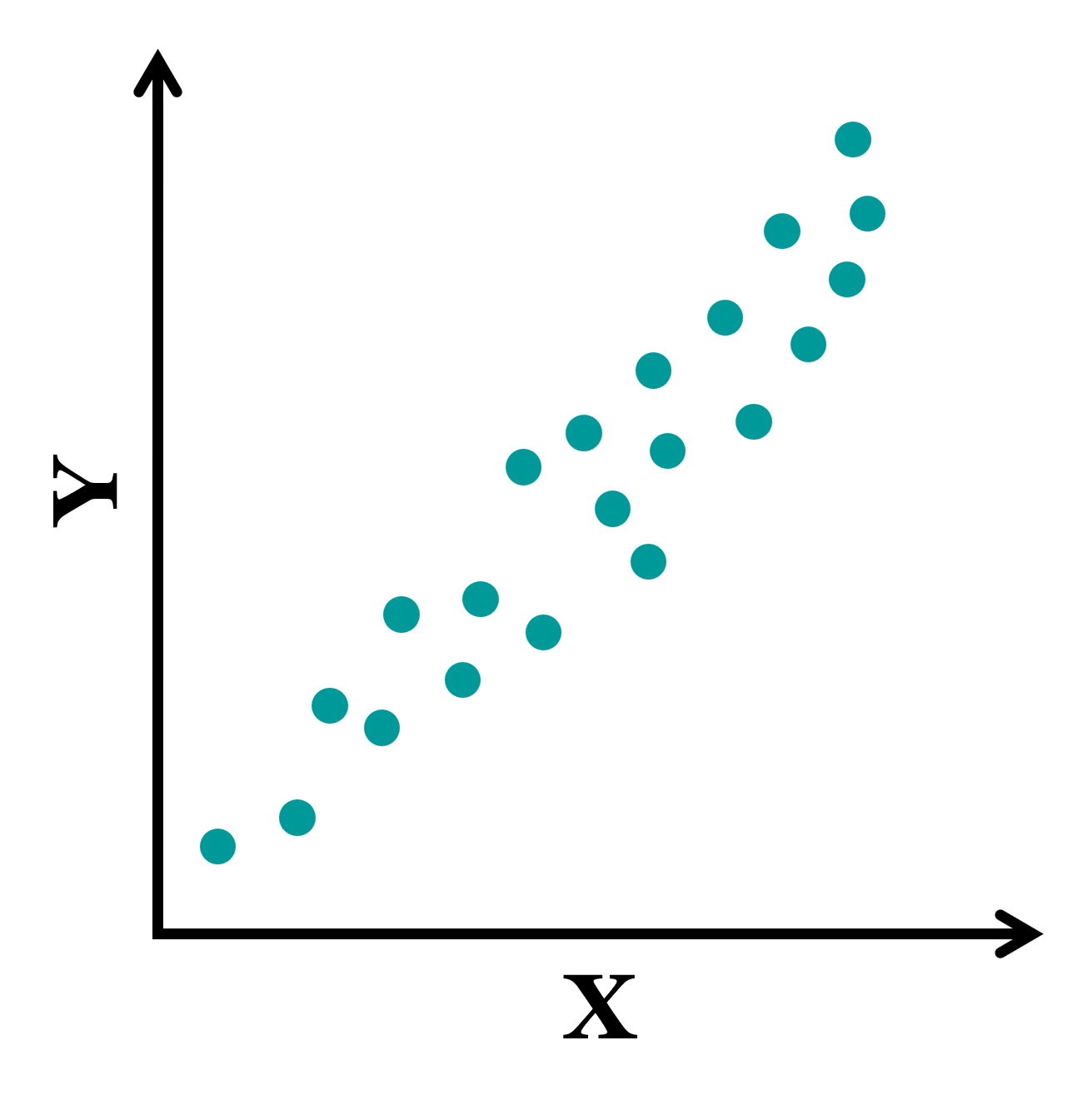
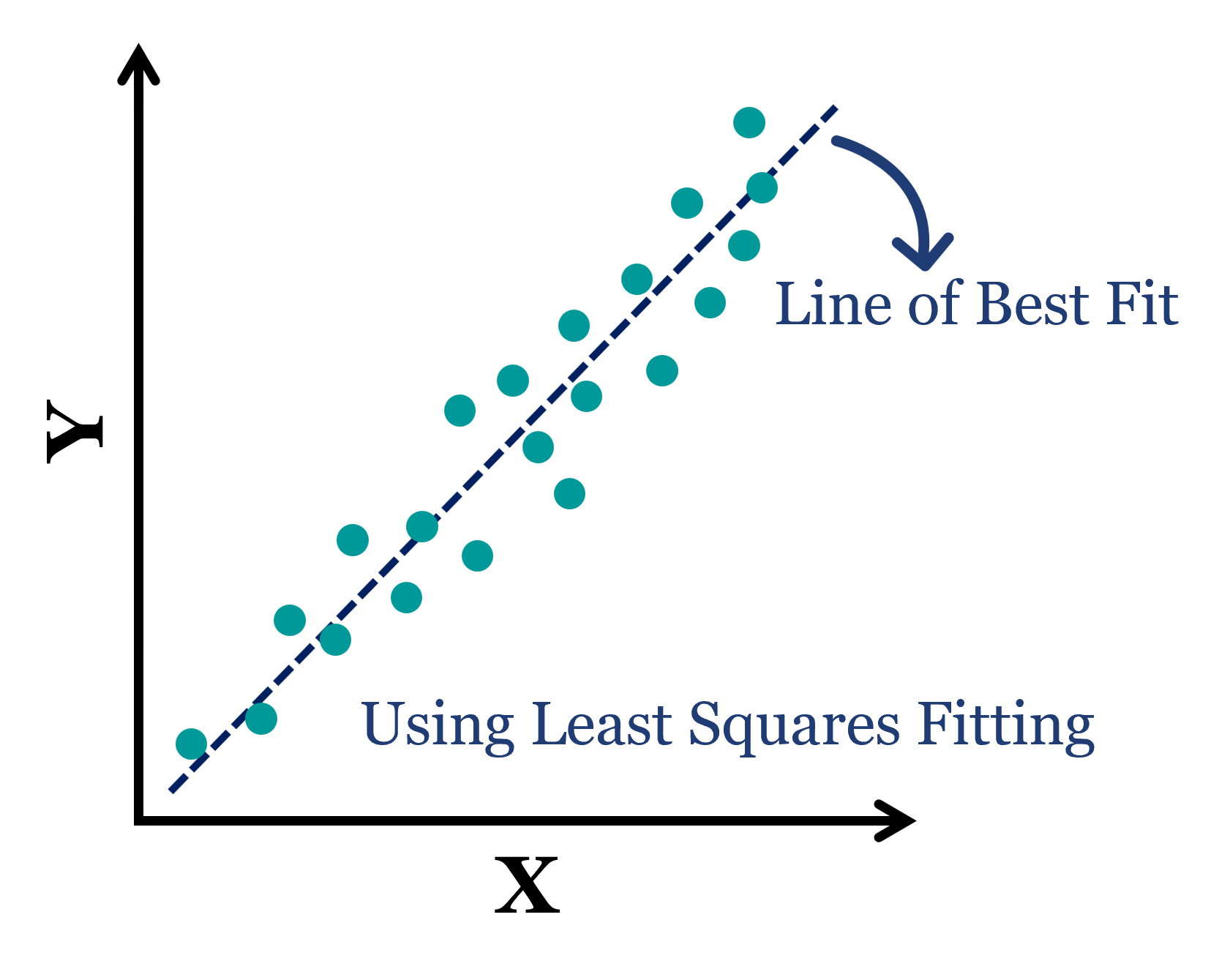
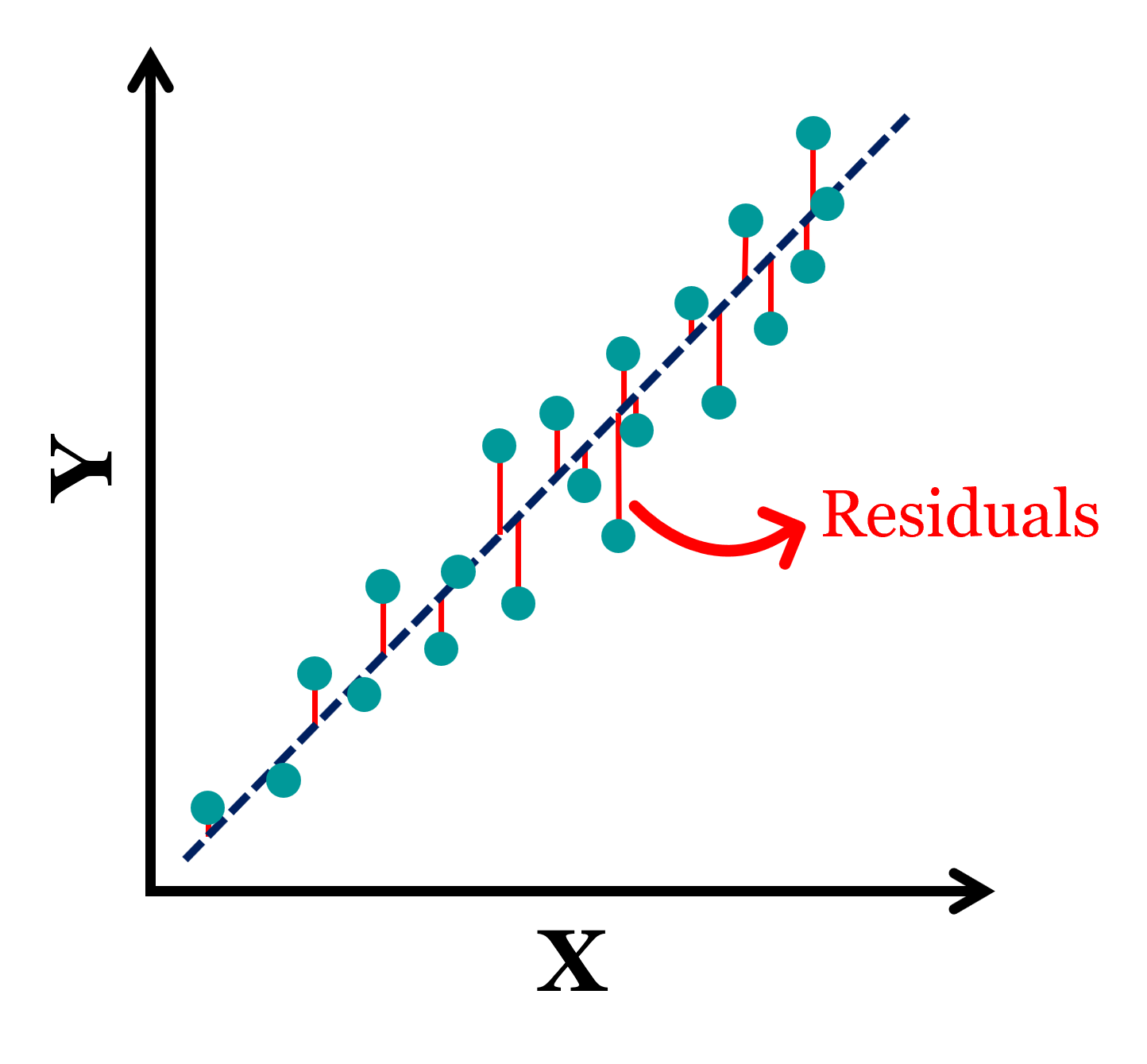
Concept behind Linear Regression
Bayesian Analysis - In a nutshell
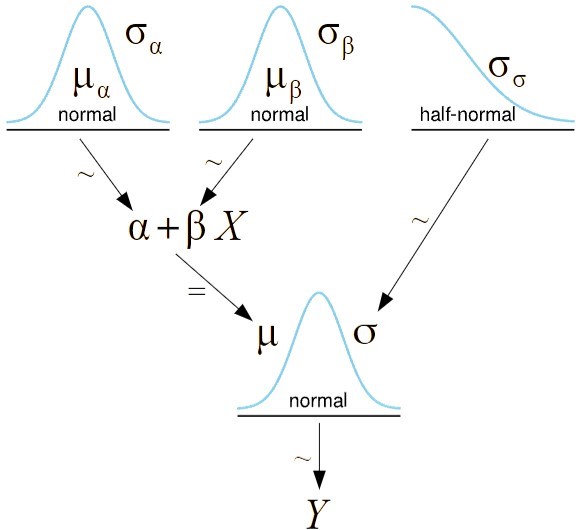
Bayesian Model Building
\[\begin{align} L_i &= \text{Coeff. for loading mode}\\ l_{ij} &= \text{Coeff. for loading mode specific to sex}\\ E &= \text{Residual random error}\\ \end{align}\]
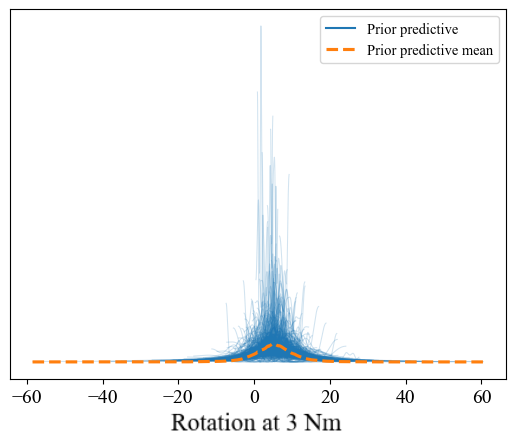
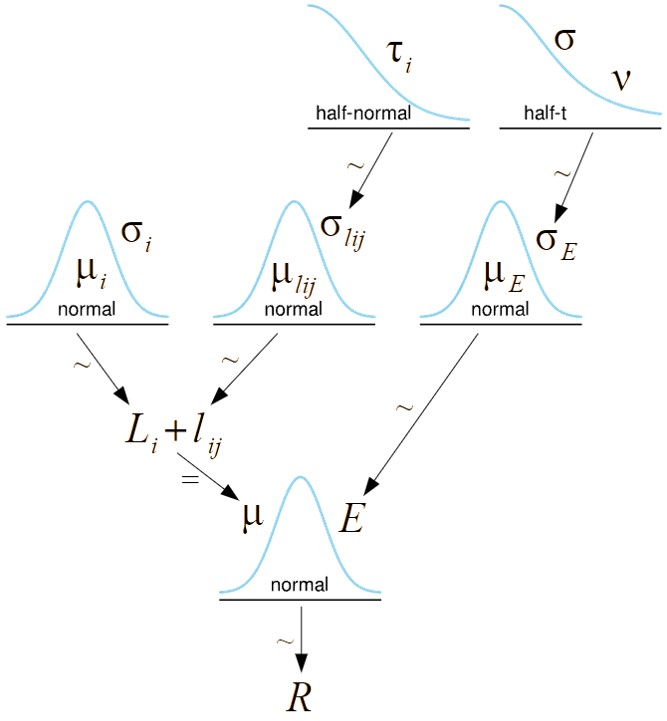 R = Segmental rotation angle at 3Nm
Prior to Posterior Predictive
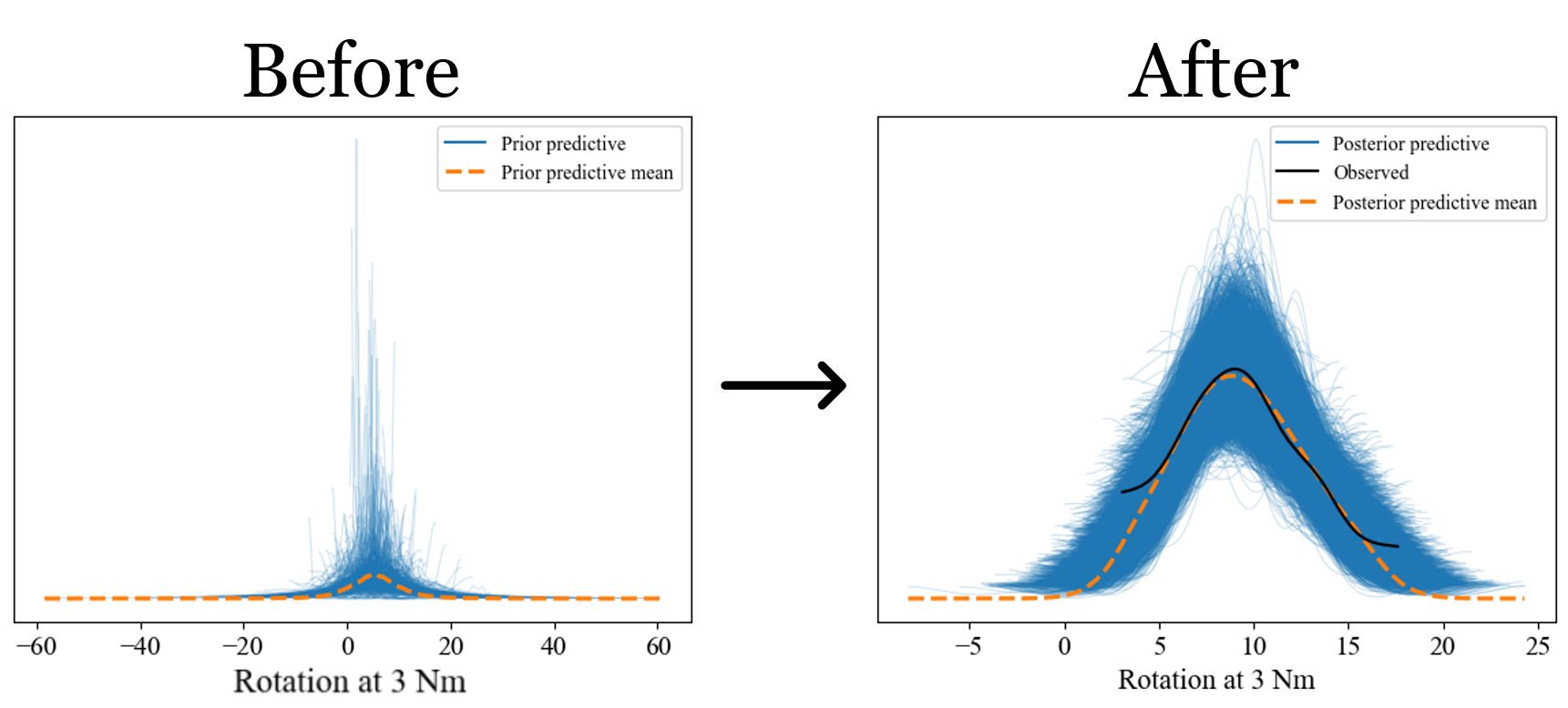
Posterior Distributions
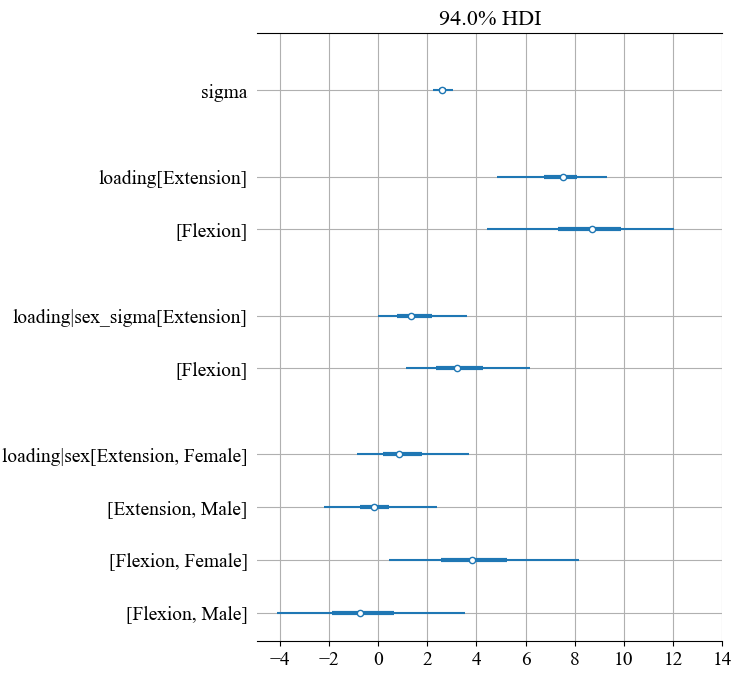
Coeff. for loading mode
Coeff. for loading mode specific to sex
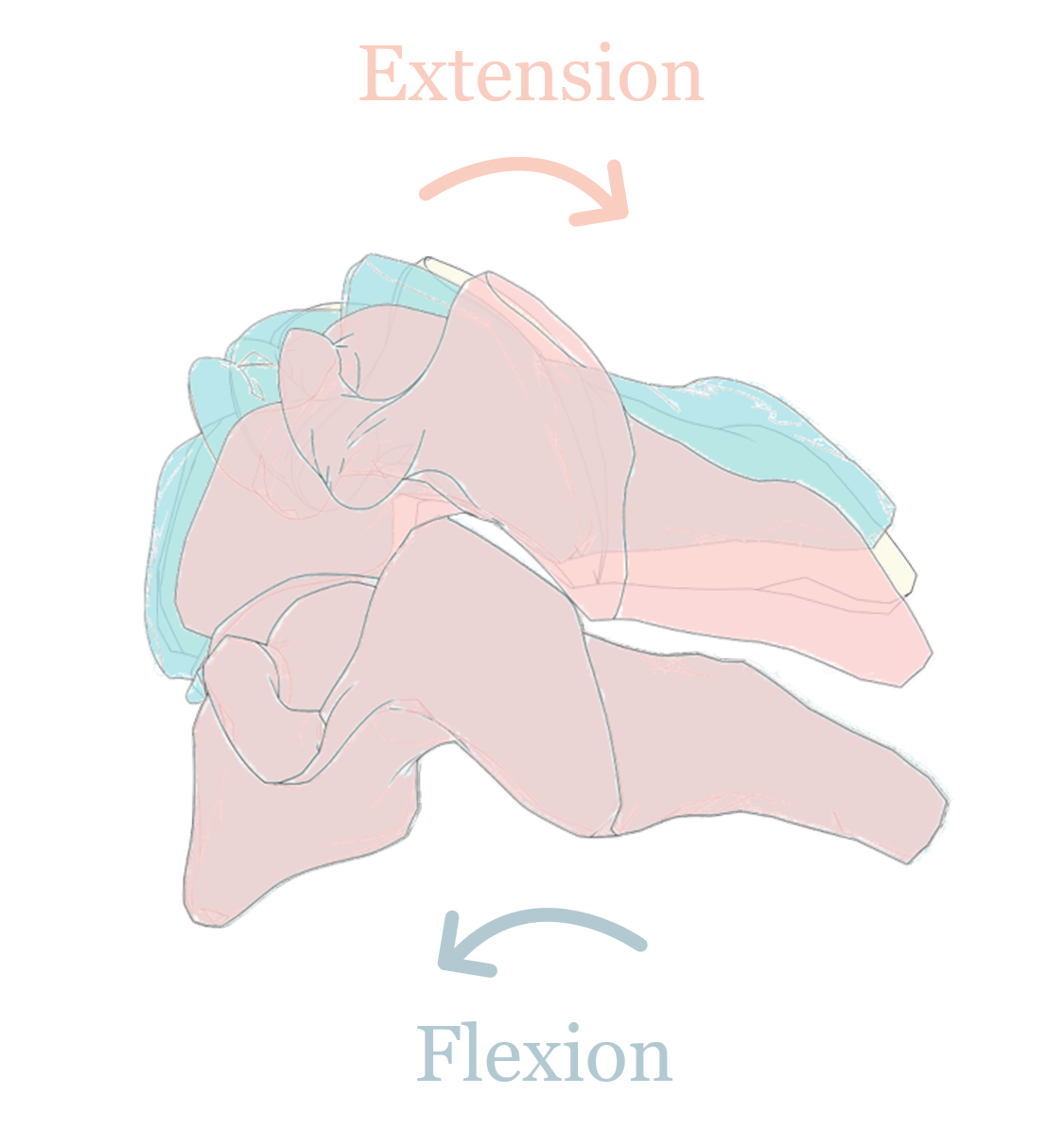
Comparison: Flexion & Extension


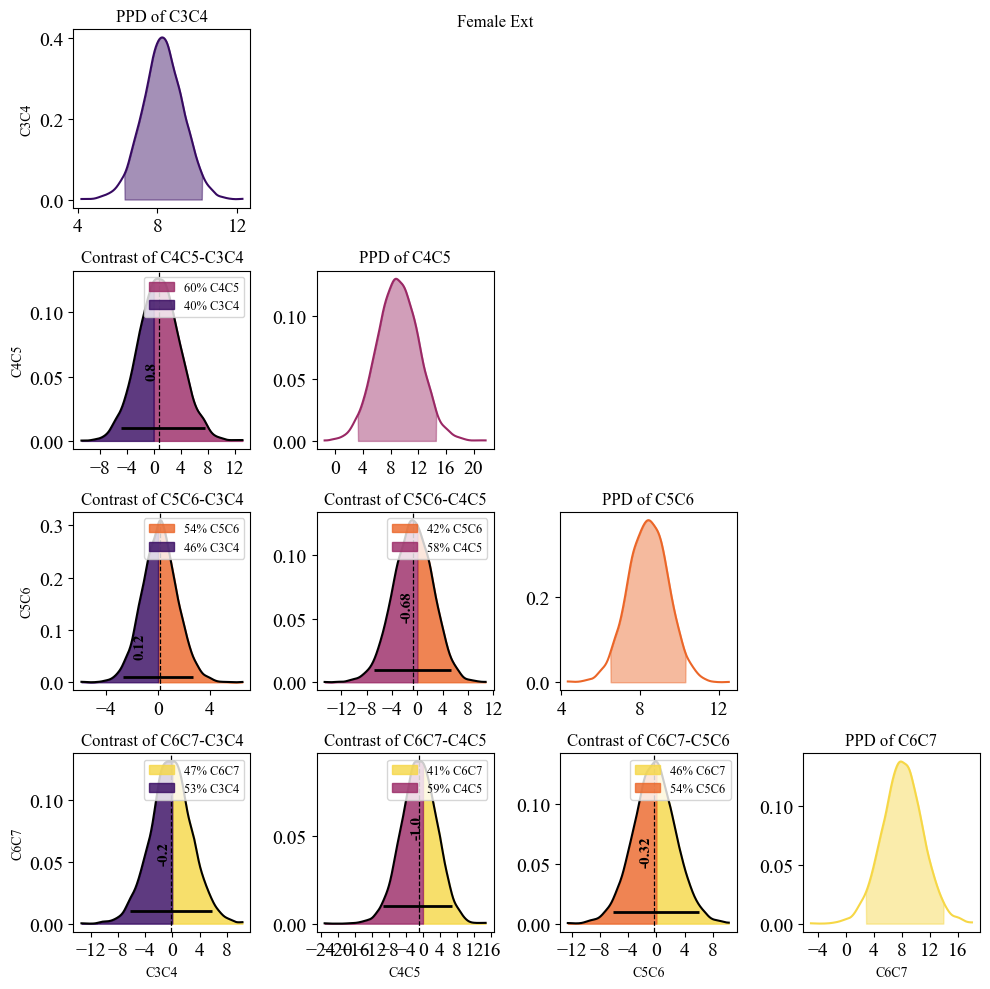
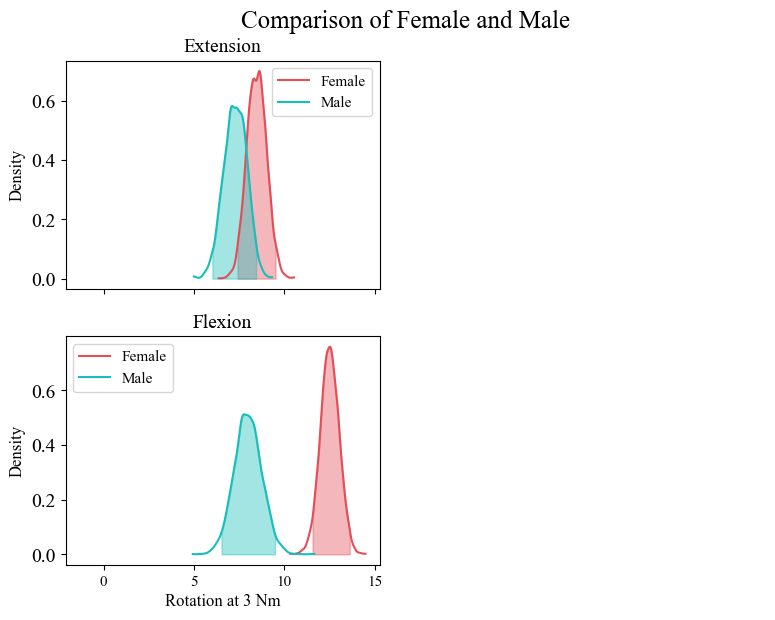
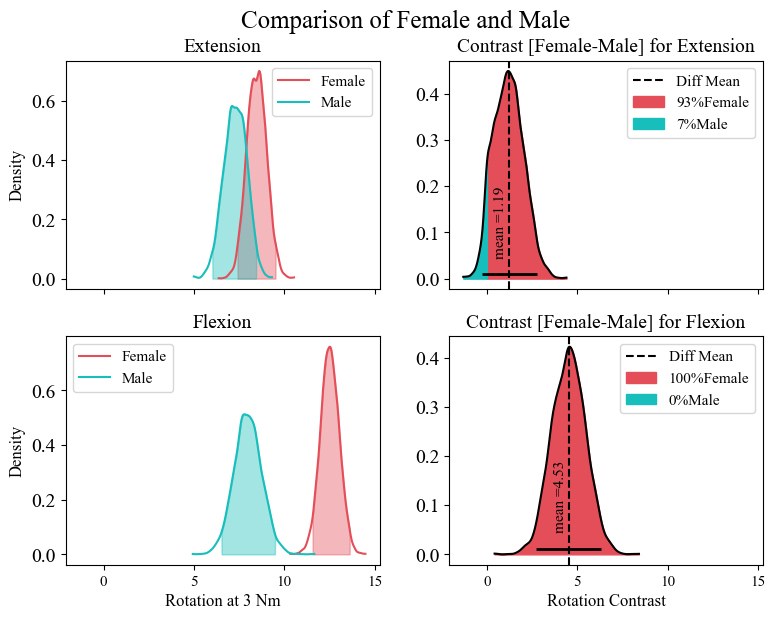
Comparison: Female & Male
Acknowledgement
- Travel Grant for IRCOBI 2025 by Toyota
- ANRF-SERB-CRG (CRG/2023/004727) in India
- SPARC (SP23241582EDSPAR008343) in India
- Swedish Transport Administration/Trafikverket grant (TRV2024/107142)


Comparison of Flexion–Extension Responses between Male and Female sub-Axial Cervical Spine Segments
Pranav Duraisamy, Davidson Jebaseelan, Jobin D. John
Bayesian Model Building
\[\begin{align} L_i &= \text{Coeff. for loading mode}\\ l_{ij} &= \text{Coeff. for loading mode specific to sex}\\ E &= \text{Residual random error}\\ R &=\text{Segmental Rotation angle at 3Nm}\\ \end{align}\]
Common Effect
\[ L_{i} \sim \operatorname{Normal}(\mu_{i},~\sigma_{i}) \]
\[ \mu_{i} = \left\{ \begin{array}{ll} 5.3 & \textrm{for Extension} \\ 5.8 & \textrm{for Flexion} \end{array} \right. \]
\[ \sigma_{i} = \left\{ \begin{array}{ll} 2.3 & \textrm{for Extension} \\ 2.9 & \textrm{for Flexion} \end{array} \right. \]
Group-level Effect
\[ l_{ij} \sim \operatorname{Normal}(0,~\sigma_{l_{i}}) \]
Hyperprior
\[ \sigma_{l_{i}} \sim \operatorname{HalfNormal}(\tau_{i}) \]
\[ \tau_{i} = \left\{ \begin{array}{ll} 2.3 & \textrm{for Extension} \\ 2.9 & \textrm{for Flexion} \end{array} \right. \]
Residual Error
\[ E \sim \operatorname{Normal}(0,~\sigma_{E}) \]
\[ \sigma_{E} \sim \operatorname{HalfStudentT}(\nu,~\sigma) \]
\[ \nu = 4, \sigma = 3.4 \]
Likelihood & Posterior
\[ R = L_{i} + l_{ij} + E \]
Posterior Distributions
What is posterior?
- Probability distribution for the parameters in the model after sampling
- Reflects all we know about the problem
Residual Error
Common Effect
Hyperprior
Group-level Effect
Future Study